A Short History of Photography
Photography began with simple light-and-shadow experiments and grew into one of the most important ways we record our lives.
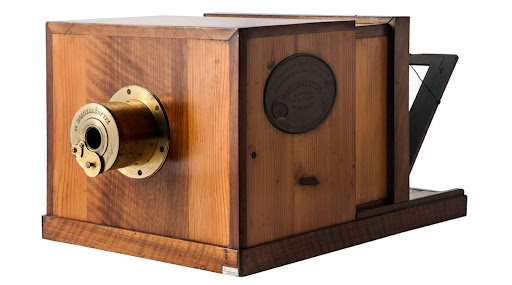
Early makers used the camera obscura to project images, but the breakthrough arrived in the 1800s with processes like the daguerreotype (1839). Wet-plate collodion and then dry plates sped everything up, and roll film made cameras portable—Kodak's “You press the button, we do the rest” turned snapshots into a daily habit. By the mid-1900s, 35mm cameras put high-quality image-making into more hands.
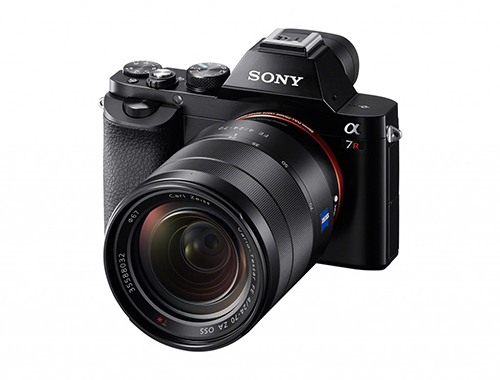
Digital sensors (CCD and CMOS) transformed photography again. DSLRs and mirrorless cameras improved low-light performance and autofocus, while smartphones made photography truly universal. The craft still blends science and art: exposure triangle basics, light direction, and composition rules like the rule of thirds—and the best part is that it's open to every style, from street to landscape to portraits.